


Unlock the Benefits of Reflexology Services for Your Wellbeing
- Clare Williams
- Jun 23, 2025
- 4 min read
In today’s fast-paced world, finding ways to improve our overall wellbeing is essential. One of the holistic approaches gaining popularity is reflexology. This ancient practice is more than just a luxury; it offers numerous health benefits that can enhance your quality of life. By understanding reflexology, its techniques, and the numerous advantages it brings, you'll be empowered to embrace this path to enhanced wellbeing.
Professional Reflexology Services
Reflexology is an alternative therapy rooted in the belief that specific points on the feet, hands, and ears correspond to different organs and systems in the body. The goal of this practice is to promote healing and balance by stimulating these reflex points through specific techniques. Referring to trained practitioners, the professionals in the field of reflexology provide tailored treatments that focus on addressing individual needs, making each session a personalized experience.
Research supports the efficacy of reflexology services. A study published in the "Journal of Complementary and Alternative Medicine" found that many participants reported reduced stress and anxiety after undergoing reflexology treatment. As more people seek natural remedies for stress relief and overall wellness, practitioners of reflexology are here to provide assistance and guidance.

The Mind-Body Connection
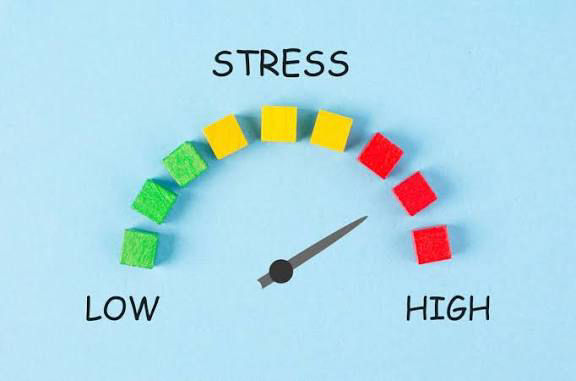
Reflexology taps into the intricate mind-body connection, emphasizing the importance of mental and emotional health on physical well-being. When you experience stress or anxiety, it often manifests physically. Reflexology aids in breaking this cycle, promoting relaxation and reducing tension.
In fact, stress is one of the primary culprits behind many health problems, including high blood pressure and digestive issues. A reflexology session can help lower cortisol levels, improving mood and overall health.
Statistics indicate that nearly 80% of adults experience stress, which translates into various health issues. By integrating reflexology into your self-care routine, you can take a proactive approach to managing stress effectively.
What Does a Reflexology Treatment Involve?
A typical reflexology treatment begins with a consultation where the practitioner assesses your health history and current concerns. This information guides how the treatment will be structured.
Once the session begins, clients usually recline in a comfortable chair or lie on a treatment table, allowing the body to relax. The practitioner will then perform a series of techniques on the feet, hands, or ears, applying pressure to specific reflex points.
Sessions can range from 30 to 90 minutes, depending on individual needs. Many report feelings of deep relaxation during and after treatment, and some even fall asleep, which is a testament to its calming effects.

Health Benefits of Reflexology
Reflexology offers a multitude of benefits that may improve both physical and psychological health. Here are some key advantages:
1. Pain Relief
Many people turn to reflexology for pain management. Whether it’s chronic pain, migraines, or joint pain, reflexology may help alleviate discomfort. Some studies have shown that reflexology reduces pain perception, contributing to overall pain relief.
2. Improved Circulation
Reflexology encourages better blood circulation throughout the body. Enhanced blood flow aids in increasing oxygen levels and nutrients in the tissues, promoting healing and overall health.
3. Enhanced Relaxation
The calming nature of reflexology helps ease both physical and mental tension. As the body relaxes, the nervous system can reset itself, leading to improved mental clarity and resilience against stressors.
4. Boosted Immune System
Regular treatments can strengthen the immune system, making you less susceptible to illness. Reflexology promotes lymphatic circulation, which plays a crucial role in eliminating toxins and improving overall health.
5. Better Sleep
Many individuals report improved sleep quality after reflexology treatments. The relaxation achieved during sessions can translate into better rest and recovery during the night.

Incorporating Reflexology into Your Routine
To experience the full benefits of reflexology, consider incorporating it into your wellness routine:
Frequency: Depending on your needs, sessions can be scheduled weekly, bi-weekly, or monthly.
Self-Care: Complement professional treatments with self-reflexology techniques at home. This can involve massaging specific points on your feet or hands to target personal issues.
Stay Hydrated: After a reflexology session, drink plenty of water to help flush out toxins and support the healing process.
Listen to Your Body: Pay attention to how your body responds post-session. Adjust the frequency and type of treatment based on your observations.
Reflexology services can be an integral part of a holistic approach to wellbeing. When looking for professional reflexology services, it’s vital to choose trained practitioners who have the right credentials and experience.
Final Thoughts on Reflexology
In conclusion, reflexology is more than just a treatment—it's a pathway to enhanced wellbeing. With a long list of benefits ranging from pain relief to enhanced relaxation, it offers an effective approach to achieving balance in life. As you explore reflexology, remember to do so with an open mind and a willingness to embrace the holistic benefits it provides.
Investing in your health is crucial. Reflexology can serve as a meaningful addition to your wellness toolkit, supporting your journey toward improved mental and physical wellbeing. So why not schedule that next reflexology session and experience the positive changes firsthand?

Comments