


Reflexology and IVF: Supporting Your Fertility Journey
- Clare Williams
- Jul 14, 2025
- 4 min read
The journey through infertility can be a challenging and emotional experience for many couples. As you explore various options, including assisted reproductive technologies like in vitro fertilisation (IVF), complementary therapies such as reflexology may offer additional support. Reflexology is an alternative therapy that applies pressure to specific points on the feet, hands, and ears, aiming to promote relaxation and improve overall well-being. In this blog post, we will delve into how reflexology can support your fertility journey alongside IVF treatments.
Reflexology and Fertility Treatments
Reflexology can play a significant role in supporting individuals undergoing fertility treatments, including IVF. Many practitioners believe that this therapy helps to reduce stress and improve blood circulation, which can create a more favorable environment for conception.
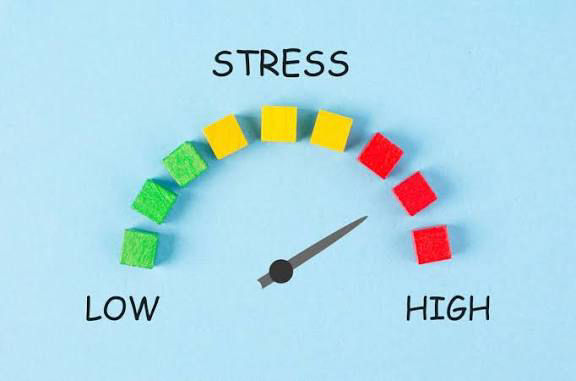
Studies have shown that stress can have a negative impact on fertility. High-stress levels can disrupt hormonal balance and affect ovulation, making it more challenging to conceive. Reflexology can help manage stress by promoting relaxation and stimulating the body’s natural healing processes. By strategically applying pressure to specific reflex areas associated with the reproductive system, reflexology may enhance ovarian function and improve overall reproductive health.

Furthermore, reflexology might address some of the common issues faced during IVF, such as anxiety and discomfort. Many individuals report feeling a sense of calm and relaxation during and after their reflexology sessions, which can improve the overall experience of fertility treatments.
How Reflexology Complements IVF
When coupled with IVF treatments, reflexology may help prepare your body for the procedures and improve their success rates. Reflexologists often focus on the following areas:
Hormonal Balance: Reflexology may promote hormonal balance by stimulating the endocrine system. This stimulation could support the natural hormonal changes necessary for ovulation, making it easier to synchronise with IVF protocols.
Improved Circulation: Enhanced circulation to the reproductive organs may help improve the supply of nutrients and oxygen, essential for maintaining a healthy reproductive system.
Emotional Support: The calming nature of reflexology may help reduce anxiety and stress levels, supporting emotional well-being throughout the IVF process. This emotional support can be particularly beneficial as many individuals face the pressures and uncertainties that come with fertility treatments.

Many patients undergoing IVF have expressed a desire to explore alternative therapies as a way to complement their medical treatments. Reflexology offers a gentle, non-invasive option that aligns well with conventional fertility treatments.
What Activities Should Be Avoided During IVF Stimulation?
While engaging in reflexology, it is also essential to consider other activities during the IVF stimulation phase. Here are some activities to avoid:
High-Intensity Workouts: Strenuous exercise can elevate cortisol levels, potentially hindering hormone production essential for conception. Instead, focus on gentle exercises like yoga or walking.
Exposure to Toxins: Steer clear of environments with heavy chemical exposure, including certain cleaning products and pesticides. Toxins can negatively affect hormone balance.
Excessive Caffeine and Alcohol: Limit or eliminate caffeine and alcohol intake during IVF treatments. Both substances can interfere with hormonal balance and negatively impact fertility.
High-Stress Situations: Managing stress is crucial during the IVF journey. Try to reduce exposure to stressful environments and situations whenever possible.
By being mindful of your activities during IVF stimulation, combined with reflexology treatments, you can create a holistic approach to supporting your fertility journey.

Integrating Reflexology into Your IVF Journey
If you’re considering incorporating reflexology into your fertility treatments, consult with your healthcare provider first. It is crucial to discuss any alternative therapies you wish to pursue, ensuring they complement your IVF plan.
When selecting a reflexologist, look for someone certified, with experience in working with clients undergoing fertility treatments. A qualified practitioner can tailor sessions to address your specific needs, focusing on areas that enhance reproductive health.
Here are some practical steps to integrate reflexology into your IVF journey:
Schedule Regular Sessions: Commit to regular reflexology appointments leading up to crucial fertility procedures. Many recommend starting reflexology six to eight weeks before the IVF cycle begins.
Communicate with Your Reflexologist: Share your medical history and any concerns before the session. This information will help tailor the treatment to your specific situations.
Practice Self-Care: Combine reflexology with other self-care practices, such as meditation or gentle exercise, to create a balanced wellness routine.
Stay Informed: Read and gather information about how reflexology aligns with IVF practices. Knowledge can empower you during your journey.
Lasting Effects of Reflexology on Fertility Health
In summary, while IVF provides a medical approach to conception, integrating reflexology into your fertility treatments can offer additional benefits. From reducing stress to promoting hormonal balance, reflexology can enhance overall well-being during this emotional journey.
As you explore options to support your fertility, remember that the journey is unique for everyone. Taking complementary approaches, such as engaging in reflexology, may not only help you physically but also emotionally as you navigate the complexities of IVF.
Investigating resources like ivf and reflexology can provide you with further insights into how this therapy may assist your fertility journey. Embracing a holistic approach can offer support during one of the most significant times in your life – the path to becoming a parent.


Comments